Smart Steps to Plan and Manage Your Heating and Cooling Project
Homeowners and facility managers face a maze of choices when shaping a reliable heating and cooling plan. Start by mapping how spaces are used throughout the day, then assess comfort issues like temperature swings and stale rooms. This baseline frames decisions about whether to prioritize upgrades, targeted repairs, or airflow improvements. Beyond that, document existing equipment ages, filter sizes, breaker capacities, and vent locations so future work aligns with real conditions, not guesswork.
Next, clarify goals and constraints in writing. In practice, define acceptable temperature ranges, noise tolerance, and energy priorities, along with budget windows and timeline targets. This clarity helps match system types to needs, whether a high-efficiency furnace, variable-speed air handler, or a Ductless Mini Split for a room addition. Meanwhile, verify any building restrictions, historic features, or landlord requirements that could influence outdoor placements and penetrations.
When scoping options, compare life-cycle costs rather than headline efficiency alone. Often, a slightly higher upfront price can reduce total ownership when maintenance intervals, filter availability, and part longevity are considered. Then, sequence improvements so the building envelope—insulation, air sealing, and shading—supports the mechanical investment. Tightening the shell before new equipment may allow downsizing, which can improve humidity control and lower recurring costs.
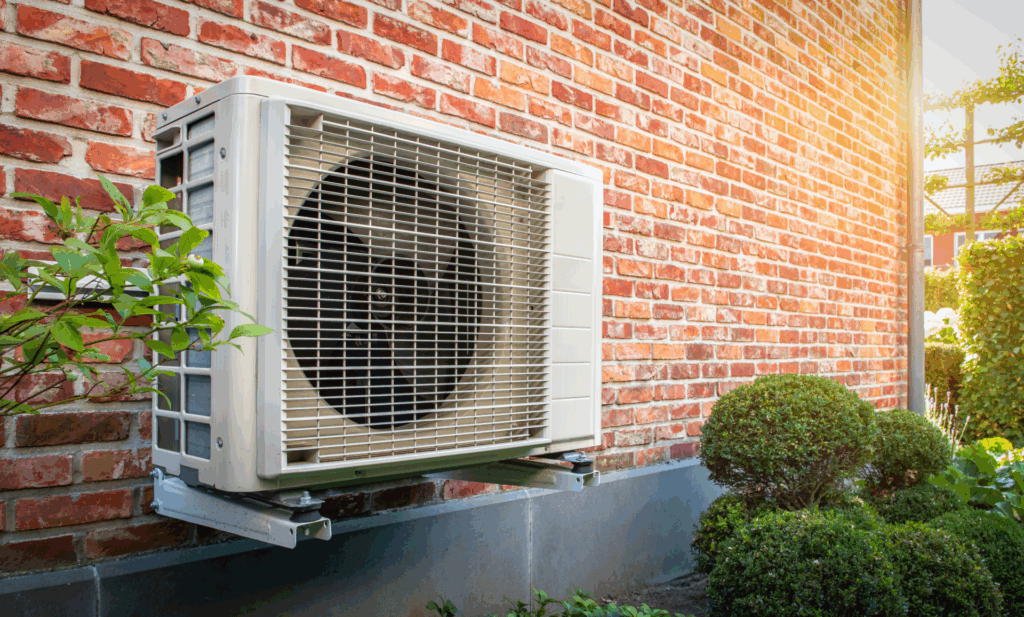
For new or replacement systems, field measurements matter. Measure duct static pressure, verify return pathways, and inspect transitions for leaks or kinks. However, do not overlook combustion air clearances and venting routes for gas appliances. Heat Pumps Installation can be attractive in mixed climates, yet capacity at colder temps and defrost strategies should be validated. Calibrate expectations by asking for load calculations and a written scope that details airflow targets and control setups.
Controls and zoning deserve careful attention. Consider smart thermostats only after confirming wiring integrity and equipment compatibility. Beyond that, evaluate zoning dampers where room schedules differ significantly, like offices versus conference spaces. Properly staged controls reduce short cycling and temperature stratification. Validate sensor placement to avoid drafts, sunlight, or equipment heat skewing readings. A clear controls map simplifies future service and avoids mysteries when occupants change.
Installation workflow affects quality as much as brand choice. Sequence trades so electrical, condensate routing, and line sets are placed with clean paths and service clearances. Inspect refrigerant line insulation thickness, condensate traps, and vibration isolation before panels close. Then, request start-up documentation: measured superheat or subcooling, static pressure, and temperature split. These numbers establish a baseline for future HVAC Maintenance and help catch early issues before they ripple through the system.
Air quality planning should run parallel to comfort planning. Indoor Air Quality depends on filtration, ventilation, and humidity control working together. Verify filter size and MERV rating compatibility with blower capacity, since over-restrictive filters can reduce airflow and stress motors. Meanwhile, consider balanced ventilation or energy recovery where occupancy is dense. Humidification or dehumidification strategy should be sized to building loads and monitored with reliable sensors, not assumptions.
Commercial HVAC projects introduce logistics and compliance layers. Stage deliveries to limit downtime and buffer critical spaces with temporary conditioning if needed. Inspect access routes, roof load allowances, and crane clearances early to avoid rework. Document equipment tags, controller addresses, and panel labeling for straightforward handoff. Finally, train staff on filter changes, setpoint policies, and alarm priorities so operational discipline preserves performance after turnover.
Maintenance planning protects the investment and reduces surprises. Establish seasonal service windows timed before peak loads so technicians can refine airflow, clean coils, and replace wear items. Validate condensate drainage at cooling startup and combustion safety at heating startup. In practice, a simple log of filter dates, thermostat firmware, and observed noises creates a feedback loop that flags small deviations before they become major repairs.
Budgeting should reflect the full project arc. Buffer for contingencies like hidden duct failures or electrical panel limits. Align financing with expected savings horizons to avoid premature system compromises. Air Conditioning Installation and Repair and Heating Installation and Repair can be phased when documented with performance checkpoints. With clear goals, measured data, and disciplined follow-through, the HVAC landscape becomes manageable—and your spaces stay comfortable, efficient, and ready for seasonal swings.